Tanzania & Zanzibar
Wild, authentic, thrilling, stunning and addictive are just a few superlatives to associate with Tanzania but, words do not really do any justice to this incredible jewel of Africa. You will have no doubt heard of the great wildebeest migration. As phenomenal as this is to witness first-hand (definitely worth adding to the bucket list!), it is worth bearing in mind that this incredible country has so many more highlights to offer, suiting both first time and seasoned safari aficionados.
Tarangire, Lake Manyara, the Ngorongoro Crater and the mighty Serengeti lie in the north of Tanzania making up the ‘northern’ safari circuit. Whereas the Selous, Ruaha, Katavi and Mahale contribute to the South safari offerings not forgetting the Zanzibar archipelago. Each of these incredible places have very different and fascinating topography and flora as well as some incredible densities of wildlife including lion, leopard, elephant, buffalo and rhino (the big five!) and wild dog but also a huge variety of very impressive plains wildlife. Bird lovers will also delight in Tanzania with every season offering spectacular sightings. With such topographical, flora and fauna diversity it is impossible to mention even a fraction of what this incredible country has to offer.
Suggested Itineraries
Classic safari and beach, Nyerere and Zanzibar
12 days from £3400 per person including international flights
Classic parks of the north, Serengeti & Zanzibar
16 days from £6600 per person including international flights
Pure safari, Tarangire, Manyara, Ngorongoro and the Serengeti
12 days from £5200 per person including international flights
Short, but very sweet, northern Serengeti safari
7 days from £4200 per person including international flights
Raw safari adventure, Nyerere, Ruaha & Zanzibar
14 days from £5400 per person including international flights
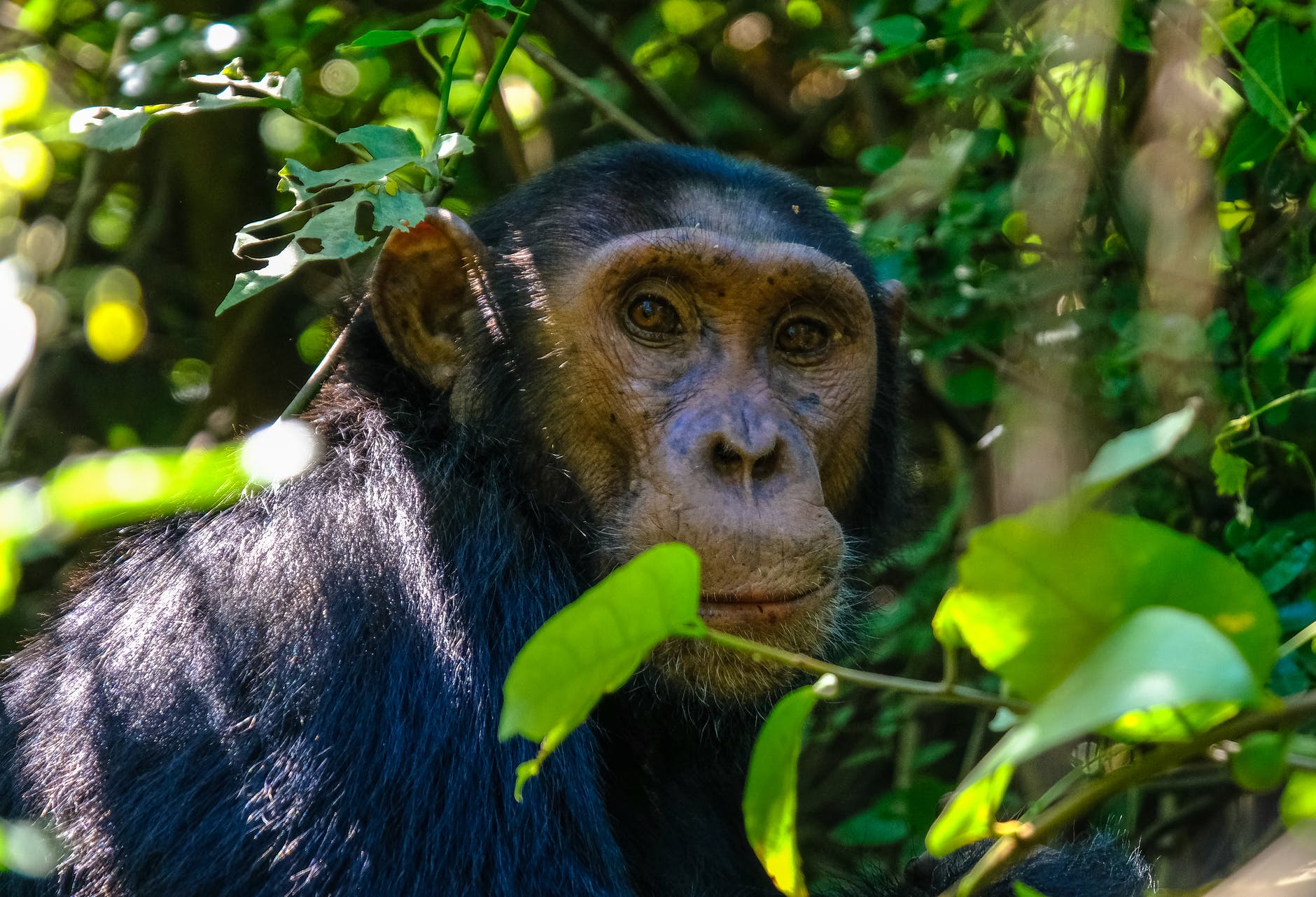
Remote safari, chimps and beach, Katavi, Mahale & Zanzibar
15 days from £10400 per person including international flights
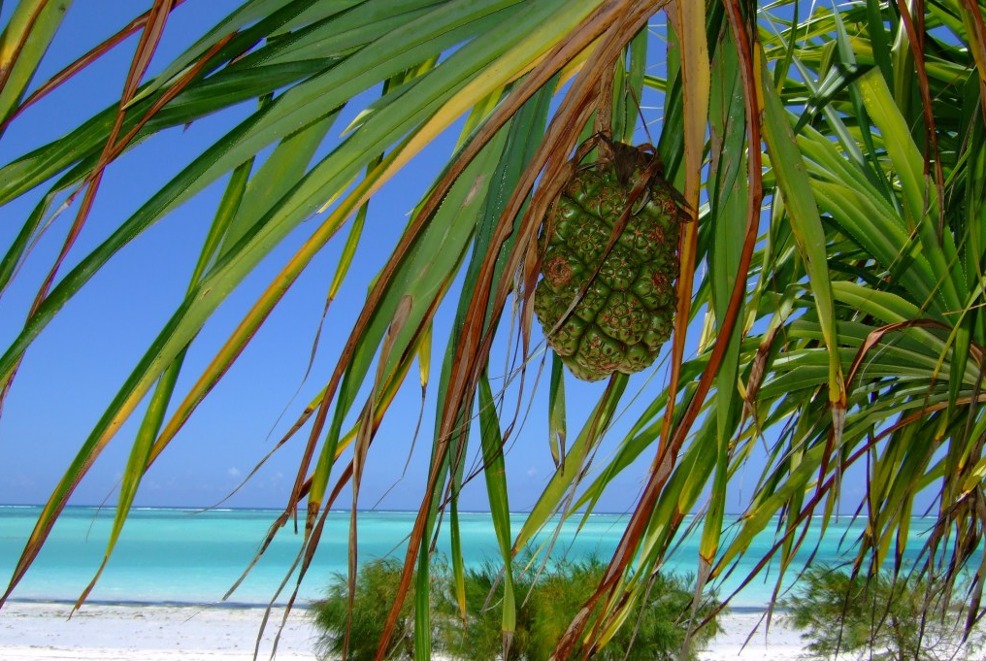
Best time to travel?
As a rule, Tanzania is at its best between the beginning of June to the end of October – the dry season. With being so close to the equator, temperatures throughout the country do not fluctuate significantly. However, the dry season is when you will encounter the lowest temperatures and, significantly, the lowest humidity. Average temperatures for this time of year are somewhere in the Low to mid 20’s for the mainland and mid to late 20’s for Zanzibar (along the coast you will always find a pleasant breeze rolling in). This does vary depending on the region that you in, for example, the Ngorongoro Crater is around 2’000 metres above sea level so at many times of year you will need a thick jumper and jacket during the evening.
Tanzania is a very large country however, and as such, there can be benefits of visiting outside of the ‘best time of year’. For example, if you wanted the best chance of seeing the great migration then you are as good as guaranteed this between January and February as this is when the wildebeest calve in the southern plains. If you prefer fewer other visitors and are not bothered by showers then visiting off peak, in the rainy season, could also be an option. Visiting towards the end of the dry season is particularly good for wildlife viewing as the bush will be less thick although, bear in mind that, plant life will not be quite so prolific and green in some areas.
November to the end of February is the short rainy season where you will probably encounter some showers but most of the time these are short and sharp and adds some adventure into proceedings! Temperatures at this time of year are likely to be higher than the dry season with increased humidity but, this is still a great time of year to travel. Mainland averages will be mid to late 20’s with Zanzibar rarely getting below 30 degrees. Again, this can vary considerably depending on where you are and elevation above sea level so if you are flexible on time of year and prefer things hotter or cooler do let us know.
March to the end of May is not the best of time of year to travel and we tend to suggest not travelling then. This is the long rainy season for Tanzania, and it is not uncommon to see rains of several days at a time. Most of the southern park’s accommodation shuts down at this time of year as it is all but impossible to land light aircraft flights then. Much of the north of Tanzania however, including the Serengeti, remains open with travel possible. Very few people visit at this time of year so if you would like the park practically to yourself and you do not mind the rain this could work well. All of our northern national park safari vehicles are completely enclosed so you would not get wet while on game drives but do bear in mind that the going can be tough with many of the roads and tracks turning into thick mud that even the best four-wheel drive would struggle with.